Showing posts with label Autocar India - Bikes. Show all posts

Thursday, November 12, 2020

Review: Kawasaki W800 review, test ride

This will come across as a statement that you may or may not agree with, but no matter how quick, sophisticated or enthralling modern motorcycles may become, they simply cannot match the charm and draw of a retro-themed motorcycle. I’ve come to this conclusion after spending two days with the BS6 Kawasaki W800. Allow me to explain. 

W WHO?

For the longest time, most Indians have associated Kawasaki with the Ninja family of sports bikes. What many don’t know is that Kawasaki began making motorcycles in the 1960s and their first big-capacity machine was the 1966 W1. The W1, in turn, traces its lineage back to the BSA A7. While Google will tell you more about Kawasaki’s illustrious history, what you must note at this point is that the Kawasaki W800 pays homage to the W1. And we think it does so pretty well, especially with the way it looks.

W800

AUTHENTIC RETRO 

The moment you set your eyes on the Kawasaki W800, you are reminded of the old adage, ‘Keeping it simple’. There is no over-the-top razzmatazz that some manufacturers add to such motorcycles for them to grab attention. Instead, what you get is an elegant and minimal design that looks authentically retro, in every sense of the word. 

Take the body panels, for instance. You have a large and shapely fuel tank that’s finished in matte black, a matte grey side panel, and well, that’s all the bodywork wrapped around the steel double-cradle chassis. The black metal fenders are neatly integrated, too, and the way the tail-lamp sticks out of the stubby rear fender is a nod to motorcycles from the ’60s and ’70s. 

Adding a tiny touch of modernity to the appearance of the W800 is the blacked-out handlebar and engine that contrast beautifully with the chrome wire-spoke wheels and the pea-shooter exhaust pipes. However, the LED headlamp is an element that sticks out, considering how authentically retro the rest of the bike is. Case in point being the extremely basic switches on the metal switch cubes (there isn’t even a pass switch!), which seem to have been plucked straight off an old Kawasaki. 

W800-2
Nice dials, but number plate holder is awkward.

I also love the simple twin-pod analogue instrument cluster, with its classic fonts and theatre-style illumination. It houses all the warning lights within the pods and also has a small digital readout for the odometer, trip and time. What we would have also liked to see is a proper fuel gauge, instead of a panic-inducing low-fuel warning light. 

Nevertheless, Kawasaki gets full marks for intent and execution, by coming up with a retro motorcycle design that looks the part. 

The W800 is solidly put together as well, as any Japanese motorcycle ought to be. But park it next to its immediate competition, the Triumph Street Twin or even the pricier Triumph Bonneville T100, and the W800’s finish levels can’t match up, and the Triumphs also do a better job of hiding unsightly cables and hoses. And yes, the over-engineered saree guard and hair-band style number plate holder need to be chucked. 

MORE THAN SKIN-DEEP

The W800’s lovely retro feel also permeates down from the design to the engine. This is another area where the W800 manages to add a dollop of creamy nostalgia to the experience, simply in the way it sounds and feels. 

This 773cc, twin-cylinder unit is air cooled and features a shaft drive with bevelled gears for the SOHC, eight-valve head, just like some yesteryears motorcycles. Even the 360-degree crank, which means both pistons rise and fall together, is Kawasaki’s way of doing retro as it used to be done. And boy, are we glad that they did so! Because the overall result of such a setup is that the W800 sounds properly old school and reminiscent of the previous-gen Triumph Bonnevilles.

W800-3
Unique bevel-gear shaft-drive system for the SOHC, eight-valve head.

Thumb the tiny starter button and the exhaust note out of the pea shooters sounds markedly thrummy and distinct at idle. That soundtrack not only grows louder, but also sweeter, as the revs climb, which helps widen the smile under the helmet, despite the mildly underwhelming spec sheet. 

The motor produces 52hp at 6,500rpm and 62.9Nm of torque at 4,800rpm, figures that may not seem exciting enough for a big twin. But in a classic case of not judging a book by its cover, our tests show that the W800 packs enough grunt for the real world. A 0-60kph sprint takes 2.84sec, while 100kph comes up in 6.12sec only. That’s properly quick for a 224kg motorcycle. Give it the beans and you will see the speedo needle easily meet with the 160-170kph mark on the dial, but that’s not the point of this motorcycle. 

The beauty of riding the W800 is in a gentle cruise down the highway, with the gearbox slotted in fifth (the top cog). This is where the W800 is in its element, the accompanying exhaust note and a slight buzz in the handlebar and pegs adding to the sublime, old-world motorcycling experience. Come to think to it, there aren’t many modern-classic motorcycles around that offer a similar feeling, no? 

In the city, the strong yet super-smooth torque delivery, well-spaced gear ratios and light lever action, courtesy of the slip-and-assist clutch, make this motorcycle a beauty to ride – even within Mumbai’s horrendous traffic. Surprisingly, the engine didn’t get uncomfortably hot in such situations, which again is an astonishing feat for an air-cooled mill of this size. 

RIDES LIKE A CHARM 

The basic double-cradle frame, 41mm telescopic fork and preload-adjustable twin shocks at the rear are a textbook classic motorcycle setup and it works well on the W800. 

To begin with, the suspension settings are quite well judged and the ride is soft enough to absorb most bad roads without being wallowy over undulations. However, the low, 107mm rear suspension travel caused the shocks to bottom out over the nastiest of potholes. One will also have to be mindful of the 130mm ground clearance, but setting up the preload correctly, especially with a pillion onboard, will help you get through most of the rough stuff without scraping the belly.

W800-4

On to the handling, we found that the W800 is neutral and predictable, a trait that many owners will appreciate. Despite the relaxed, 26-degree rake angle, the steering feels delightfully light and accurate, which makes it a breeze to manoeuvre the motorcycle through traffic. Around a series of bends, all one needs is a nudge on the pulled-back handlebar to make the front end tip into a corner, while the 1,465mm long wheelbase ensures solid mid-corner stability. Another factor that boosts confidence is the grippy MRF Zappers, be it on a wet or dry road. It doesn’t run out of cornering clearance as fast as a Harley-Davidson, but push it hard and you’ll be scraping the pegs all day long, especially on the right side, because it sticks out a little more. 

The axially mounted Tokico front brake caliper offers decent bite but needs a firm pull on the lever. Calling on the rear brake at times helps make the motorcycle come to a halt in a jiffy. Good thing then that dual-channel ABS is standard. 

FOR THE EXPERIENCE

Let’s address the elephant in the room, shall we? At Rs 6.99 lakh (ex-showroom, Delhi), some of you may find the Kawasaki W800 an expensive proposition, considering the paltry features list on offer. This despite Kawasaki slashing the price of the motorcycle by Rs 1 lakh as it stepped into the BS6 era. 

A slightly deeper wallet will get you modern-classic motorcycles like the Triumph Street Twin (Rs 7.45 lakh) or the Triumph Bonneville T100 (Rs 8.89 lakh) (both prices, ex-showroom, Delhi). These offer well-known brand heritage, a more powerful liquid-cooled engine, traction control and higher levels of overall quality and finish. 

But what the latest Bonnies can’t compete with is the genuine old-school experience that the W800 brings to the table. It truly offers a slice of nostalgia, be it in the way it looks, feels and rides. It’s not for everyone, but the fact that the W800 is probably so close to authentic retro that it certainly leaves a lasting impression.


from Autocar India - Bikes https://ift.tt/2Up7CP6

Wednesday, November 11, 2020

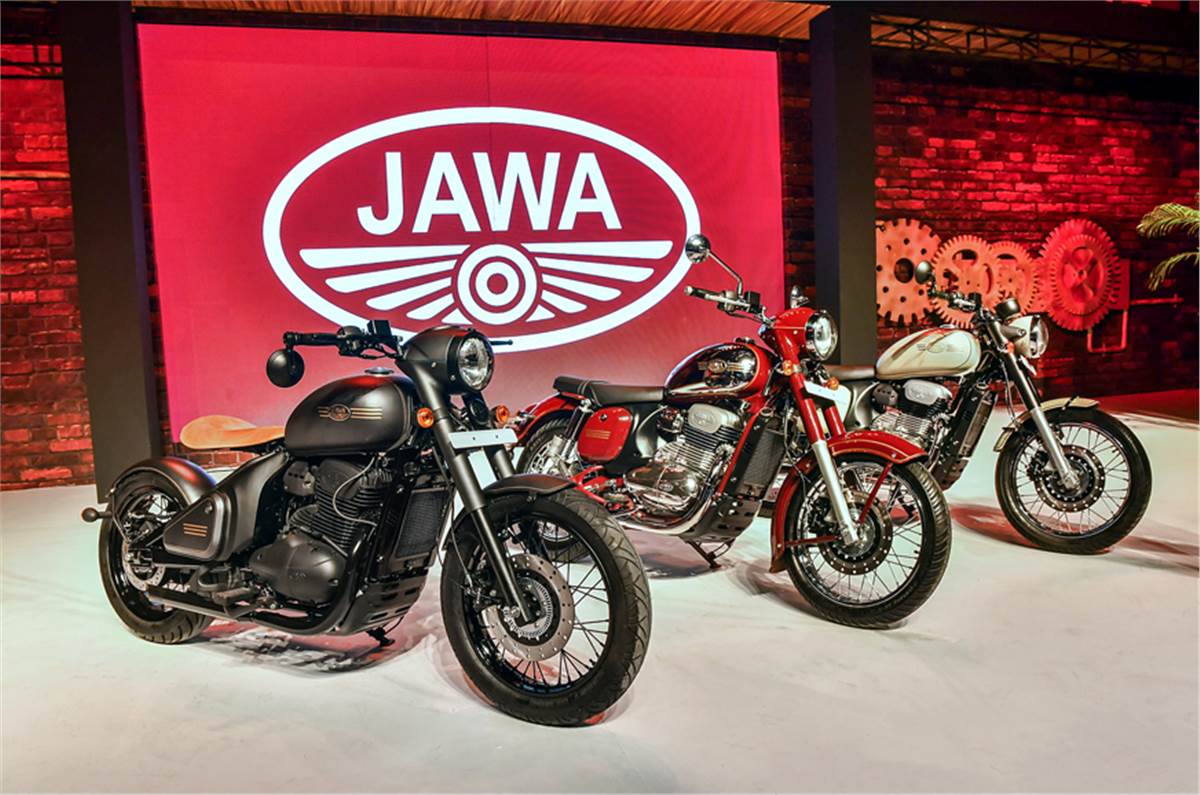
Jawa sales cross 50,000 units

Classic Legends claims that it has crossed the landmark sales figure of 50,000 units of Jawa motorcycles in an effective 12 months of full operations. 

  • Jawa, Jawa Forty Two, Perak sales cross 50,000 mark

  • Classic Legends say milestone was achieved in 12 months

We say claimed because the company has not shared its sales data with SIAM (Society of Indian Automobile Manufacturers) since April 2019.

Since the moniker was revived in November 2018, Jawa has been struggling to keep up with demand. The company says the 50,000-motorcycle sales milestone signifies an extremely healthy uptake in demand for Jawa motorcycles in the country, as it continues to expand both its production capacity as well as dealership footprint to cater to the steady rise in demand.

Ashish Singh Joshi, CEO, Classic Legends said, “As the newest entrant in the Indian motorcycle market, we are proud of what we have achieved in such a short duration. As a relatively recent start-up, Classic Legends has readied a full-scale production facility to support the three models that we introduced as a part of the resurrection of the Jawa brand, set up an unparalleled and widespread sales network; and have ramped up all our operations constantly to meet customer demands.” 

“Crossing the milestone of 50,000 motorcycles in a span of an effective 12 months of full operations is of utmost significance for us. This is not just a number but an important marking on our odometer, which points us towards the countless miles we have set out to cover as we keep shifting into higher gears. Considering the very healthy demand that we are seeing and the fact that the current 50,000 took longer due to COVID-related production challenges, I am confident that the next 50,000 will come in far less time,” added Joshi.  

The manufacturer says the Jawa brand is getting demand from other markets, for which Classic Legends has also started exports, with a batch of Jawa motorcycles being shipped to Europe and Nepal. At present, Jawa Motorcycles has three offerings in its portfolio – the Jawa, Jawa Forty Two and Perak.


from Autocar India - Bikes https://ift.tt/3ePnIei

Tuesday, November 10, 2020

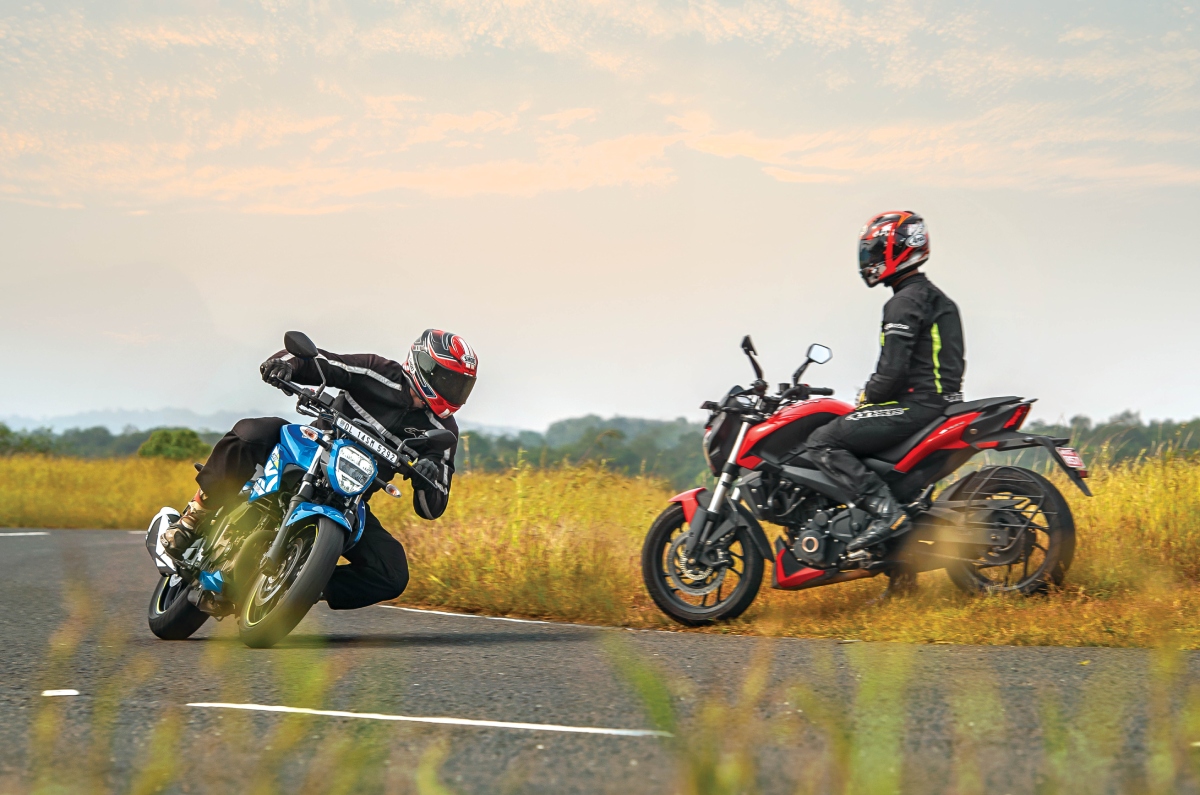
Review: Bajaj Dominar 250 vs Suzuki Gixxer 250 comparison

Monday mornings are a drag. You have to force yourself to get out of the comfortable space you’ve probably spent the last 15 hours in and throw yourself into a work routine. But you know what I despise about them the most? The commute. Sometimes, though, the way you commute to work can make all the difference. Today, we’re comparing two quarter-litre motorcycles that fit that bill and you could even deem them glorified commuters. Yamaha’s FZ 25 falls into this category, as well, but the manufacturer didn’t have a media test bike that we could feature. 

Bajaj Dominar 250 vs Suzuki Gixxer 250: Design

Neither of these bikes is particularly new, in terms of design. The Gixxer 250 was launched only last year, but since it shares most of its design with the smaller 150cc model, it does seem like it’s been around for a lot longer. The Dominar came out even more recently, but it’s essentially a Dominar 400 with a smaller USD fork, narrower tyres and a box section swingarm, so, again, it doesn’t exactly look fresh. 

Nevertheless, both bikes follow vastly different design languages. The Gixxer’s is more conventional but this Suzuki Ecstar MotoGP-inspired livery we have here is gorgeous. The base blue colour is bright and finished really well, and detailing like the diamond-cut wheels and fluro-green rim stripes make it stand out in a crowd. 

The Dominar gets a narrower but upside-down fork; primary display is hard to read.

The Dominar 250 will stand out in a crowd, too, with its bright red colourway and long, low-slung stance. It is, after all, inspired by a certain power cruiser from Italy. It has the same body panels, chunky 13-litre fuel tank and rear cowl as the Dominar 400. Unsurprisingly, it is, and also feels like, the bigger motorcycle. We’ll get into this in more detail, further on.

The Dominar, undoubtedly, commands a greater presence on road, but there is one let-down in its design – the choice of tyres. The rear is a narrow 130-section unit that ruins pits sense of proportion.

Overall, the Suzuki is a more nicely put together motorcycle and its finish levels are noticeably better than that on the Dominar. 

Bajaj Dominar 250 vs Suzuki Gixxer 250: Price and specifications
Bajaj Dominar 250 Suzuki Gixxer 250
Price (ex-showroom, Delhi) Rs 1.65 lakh Rs 1.65 lakh
Engine 248.8cc single-cylinder, liquid-cooled 249cc single-cylinder, oil-cooled
Power 27hp at 8500rpm 26.5hp at 9300rpm
Torque 23.5Nm at 6500rpm 22.2Nm at 7300rpm
Power-to-weight ratio 150hp/tonne 169.87hp/tonne
Wheelbase 1453mm 1340mm
Ground clearance 157mm 165mm
Kerb weight 180kg 156kg
Seat height 800mm 800mm
Fuel tank 13 litres 12 litres
Front suspension USD fork Telescopic fork
Rear suspension Monoshock Monoshock
Front brake 300mm disc 300mm disc
Rear brake 230mm disc 220mm disc
Tyre size (front) 100/80 - 17 110/70 - R17
Tyre size (rear) 130/70 - 17 150/60 - R17

Bajaj Dominar 250 vs Suzuki Gixxer 250: Features

Considering these aren’t motorcycles that have been developed to excel in a particular niche, the list of features they offer is pretty standard. However, they both outdo each other in certain areas. The Dominar misses out on radial tyres, while the Gixxer doesn’t get a side-stand engine cut off, and more importantly, a USD fork. That said, there are some similarities – they both get dual-channel ABS and  feature a simple reverse LCD digital display. The Dominar 250 uses an instrument cluster that is based on the bigger, pre-2019 Dominar 400. It features a primary handlebar-mounted digital display and a secondary unit on the fuel tank with tell-tale lights that are out of the line of sight, and we found that we almost never looked at this one. Despite its positioning as a sport-tourer, the Dominar’s cluster lacks a gear position indicator. It’s also not very vivid, and isn’t as easy to read as the Gixxer’s.

The Gixxer gets wider radial tyres on diamond-cut alloys, MotoGP livery looks neat!

Bajaj Dominar 250 vs Suzuki Gixxer 250: Engine and performance

There was this one particular shot that I had in mind for these two bikes and it required us to ride to Aamby Valley. We’re based in Mumbai, and it’s hard to describe how chaotic the traffic can be. 

But, break free of the confines of maximum city, in any direction, and you’ll be met with some stunning views, and more importantly, some spectacular roads that lead there. Aamby Valley is one of them. To get there, you first ride through the city and eventually onto the old highway that leads to the winding roads taking you to Lonavala. This mix of conditions also makes it one of the most efficient, and quickest, ways to put a motorcycle through its paces. 

While both the engines powering these motorcycles displace just under 250cc, the Dominar uses a more modern DOHC architecture and liquid-cooling. In application, this quarter-litre mill is slightly more refined than its rival’s. On the other hand, it’s also a lot calmer and prefers staying in the lower to mid-range of the rev band. 

As a result, you’ll find that the Gixxer is the motorcycle that you want to ride quicker. It’s also more engaging because a quicker revving engine also means more frequent gear shifts. We were out on the old highway, just after the break of dawn, and moving at a cracking pace. They both have similar peak output figures and while the Dominar manages to keep pace with the Gixxer, it does so with a lot more ease. For example, a 120kph cruise on the Suzuki puts the engine at a stressed-sounding 8,500rpm, while the Bajaj does it at 1,500 revs lower. The Dominar’s more spacious and relaxed ergonomics, along with its plusher ride, also mean that you can spend longer periods out on the highway. 

Where the Suzuki does edge ahead, quite literally, is every time you accelerate away from a speedbreaker or towards the very upper end of the performance band. It’s quicker off the line and the performance table will show that it’s also quicker to 100kph. 

Bajaj Dominar 250 vs Suzuki Gixxer 250: Performance
Bajaj Dominar 250 Suzuki Gixxer 250
0-60kph 3.98s 3.7s
0-100kph 10.27s 9.24s
20-50kph (2nd gear) 3.11s 2.71s
30-70kph (3rd gear) 5.55s 4.70s
50-80kph (4th gear) 6.08s 4.60s
60-0kph 15.72m 16.48m

Bajaj Dominar 250 vs Suzuki Gixxer 250: Ride and handling

The reason for this is one of the chinks in the Dominar’s otherwise formidable armour – its weight. With 24kg over the Suzuki, the Dominar feels like the heavier motorcycle the moment you take it off the side stand. 

The longer wheelbase and steering geometry also have some effect on the dynamics of the bike. At slow speeds, the Dominar folds into turns and at pace, you have to pick the bike up and then urge it down into the next one. The Gixxer, meanwhile, is at the other end of this agility spectrum. It feels effortless to tip into a corner and also inspires a lot more confidence than the Dominar. 

As we crept back into the city, I realised that the Dominar is not a bike that actively wants to go fast. Sure, it can, but its sweet spot is while carrying a brisk pace rather than going flat out. It’s also got the more forgiving suspension setup and comfier seat, so it’s also the motorcycle you’d rather be stuck in traffic on. 

The Gixxer feels slimmer, with the handlebar close to you; Dominar is more relaxed.

I can’t say the same about the Gixxer. One, because of the way the bike is set-up, it urges you into little gaps in traffic and makes you want to blip the throttle every time you downshift. Its curved seat is not as comfortable and while short riders won’t mind, taller riders will constantly find themselves uncomfortably positioned where the seat curves upwards. Unsurprisingly, at the end of a long day, I found my bottom was yearning to be back on the Dominar. Same goes for the ride quality. It’s great for going fast, but a rather stiff suspension, especially at the rear, makes it quite uncomfortable over severely broken patches. 

Bajaj Dominar 250 vs Suzuki Gixxer 250: Verdict

At the beginning of this story, I told you these bikes fell into the same category. But, they’re vastly different in terms of the experience they deliver. The Gixxer is the motorcycle I wanted to ride more because its energetic and sporty nature matches the way I like to ride bikes. Then again, the Dominar delivers a more mature experience, and while its isn’t as quick, sporty and exciting, its calm, comfortable and capable nature will certainly appeal to a different sort of rider. The Gixxer wins here by a tiny margin because it’s the faster bike, feels better built and is more involving to ride – all important factors for someone looking to step up to a higher capacity. But the Dominar cuts it very close with its own, very different set of advantages. Ultimately, the choice is yours. You pick the blue pill, you wake up in your bed, on a Monday morning, envisioning yourself carving through traffic at a pulse-raising pace and hitting the twisties on the weekend. You pick the red pill and you won’t be as inclined to dive bomb every gaping traffic, but you will be more at peace on your bike and already dreaming up the next long ride into the distance.


from Autocar India - Bikes https://ift.tt/38vyDsp

Monday, November 9, 2020

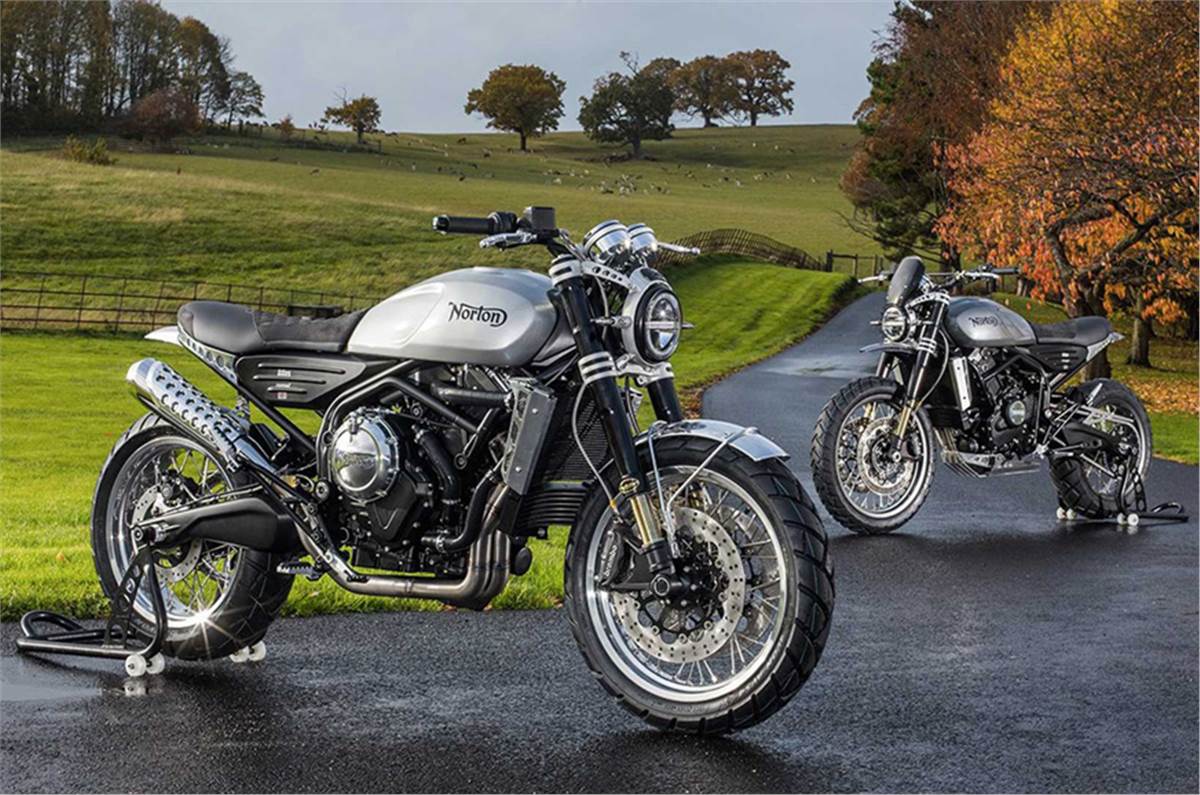
Norton 650cc motorcycles expected late next year

First showcased in 2018, Norton’s highly anticipated 650cc parallel-twins are likely to make it to production only by late 2021. 

  • TVS-owned Norton to move into new production facility soon

  • 2021 line-up includes V4 and Commando models

  • V4 will be updated to Euro 5, Commando range to be retired.

In a recent interview with UK-based Bennetts BikeSocial, the interim Norton CEO, John Russel, has revealed the company’s plans for 2021. Norton was acquired by TVS earlier this year, and while both companies have been mostly silent about future plans, we now have an idea of what to expect in 2021. The company is also in the process of moving from its glamorous address at Donnington Hall to a new production facility in Solihull, which should be operational by the end of 2020.

Norton Motorcycles in 2021

As was stated earlier, Norton’s initial commitment will be towards meeting pending customer orders. In terms of products, the company will be focusing on the new V4 superbike, as well as its Commando 961 platform. The V4 will be upgraded to Euro-5 spec next year, but the Commando range will be sold in limited numbers before being retired. The storied parallel-twin motor in the current Commando won’t be making it to Euro 5 compliancy, but Russel says that the iconic name will be used again in the future on a new motorcycle. 

Norton 650cc bike launch

As for the highly anticipated Norton 650cc Atlas range, Russel says that the bikes are still under development and won’t be ready until late next year. The 650cc parallel-twins were first shown off in 2018 by Norton’s previous owner, Stuart Garner, but that was around the time the company’s financial issues began to get significant. Russel also mentioned that the Norton Superlight sports bike, which uses a higher-performance version of the same 650cc parallel twin is also part of the company’s planned model line-up, but the timing for that bike remains unclear. 

Norton launch in India

At the time of acquisition, TVS mentioned that they would be bringing Norton to India but did not commit to a date. With no motorcycles currently Euro-5 compliant, and UK production only beginning in earnest after the new plant is fully operational, we don’t expect an India launch any time soon, especially since the priority remains serving pending orders in the UK and other markets. 

Further, a Euro-5 compliant Norton V4 superbike will undoubtedly be an expensive affair in our market. Even if TVS manages to keep the price under control via some basic assembly, it will still probably cost well over Rs 20 lakh. That will be a hard sell against established superbike competition, especially given the troubled times the Norton V4 was born from. 

The upcoming Norton 650cc motorcycles will be a far better fit for our market, although they will be much more premium and expensive than the Royal Enfield 650cc bikes. When those bikes will go on sale here and how localised will they be are question that remains unanswered, but it’s unlikely to happen any time soon.  

SOURCE


from Autocar India - Bikes https://ift.tt/32uQBaP

Saturday, November 7, 2020

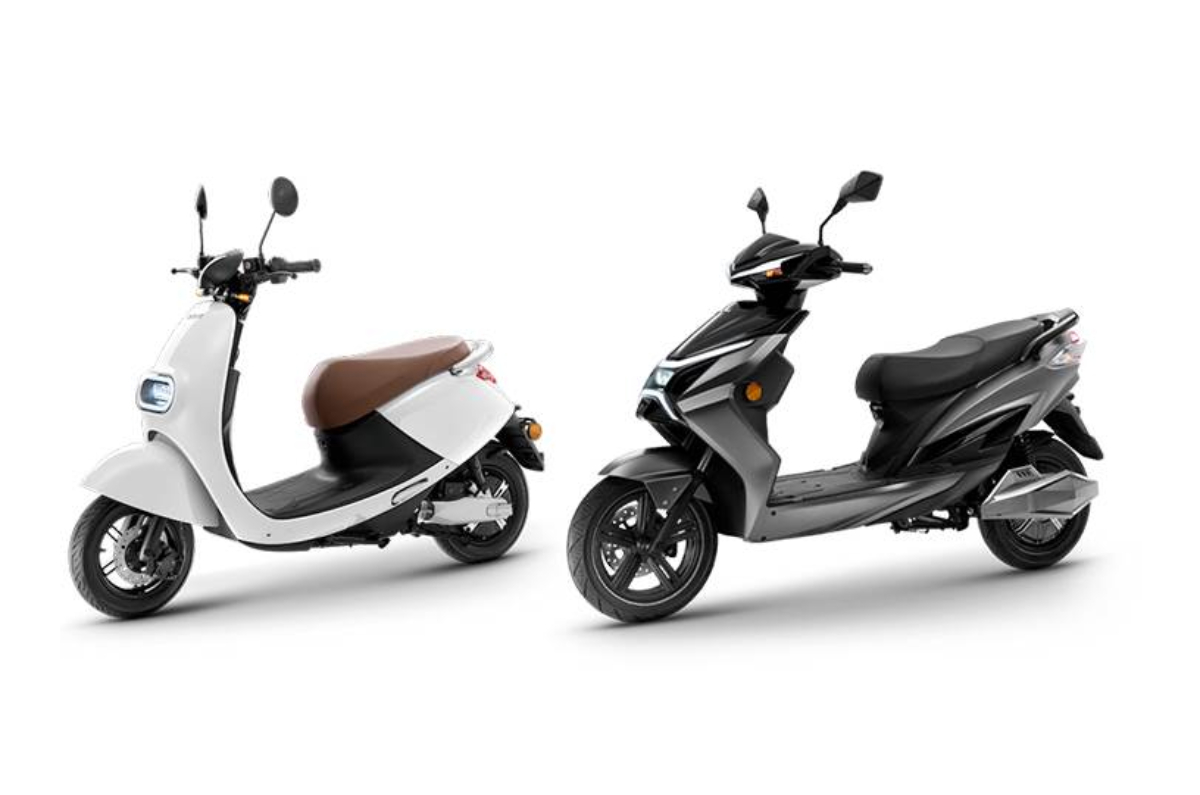
EESL invests Rs 37 crore in Thailand-based SWAG EV

The state-run Energy Efficiency Services (EESL) has announced an initial investment of $5 million (Rs 37 crore) in Thailand-based electric two-wheeler maker SWAG EV. The move is said to promote the concept of convergence – bringing together electric mobility, renewable energy and carbon finance to catalyse energy transformation in Southeast Asia.

SWAG EV says, by using e-bikes with swappable batteries, most of which will be charged by solar power, they could drive the transformation to healthier cities while fighting climate change. Batteries on wheels create an overlap between e-mobility, solar energy storage and a more flexible power grid. The accelerating demand for climate-friendly e-bikes will drastically increase the capacity of the power grid to handle a higher share of renewable energy and trigger decarbonisation in Thailand. The EV maker says, the concept is replicable across the world and this project will serve as the basis for implementation in India.

EESL’s initial $5 million (Rs 37 crore) investment was conceptualised by SHIFT Asia, a carbon finance-platform designed and operated by South Pole to mobilise climate finance for e-mobility. In addition to its investment, SHIFT will co-fund the e-bike charging infrastructure in designated service areas to make battery swapping and charging simple and convenient.

A major mid-term outcome of the SHIFT program is to use these batteries in their second life as a distributed renewable energy storage facility, providing the Thailand energy grid with the flexibility to manage a higher share of variable renewable energy. They will be charged during the day with surplus solar power (when electricity demand is too low), and discharged during the evening power peak, when there is more demand than supply of electricity.


from Autocar India - Bikes https://ift.tt/2IgMmbR

Friday, November 6, 2020

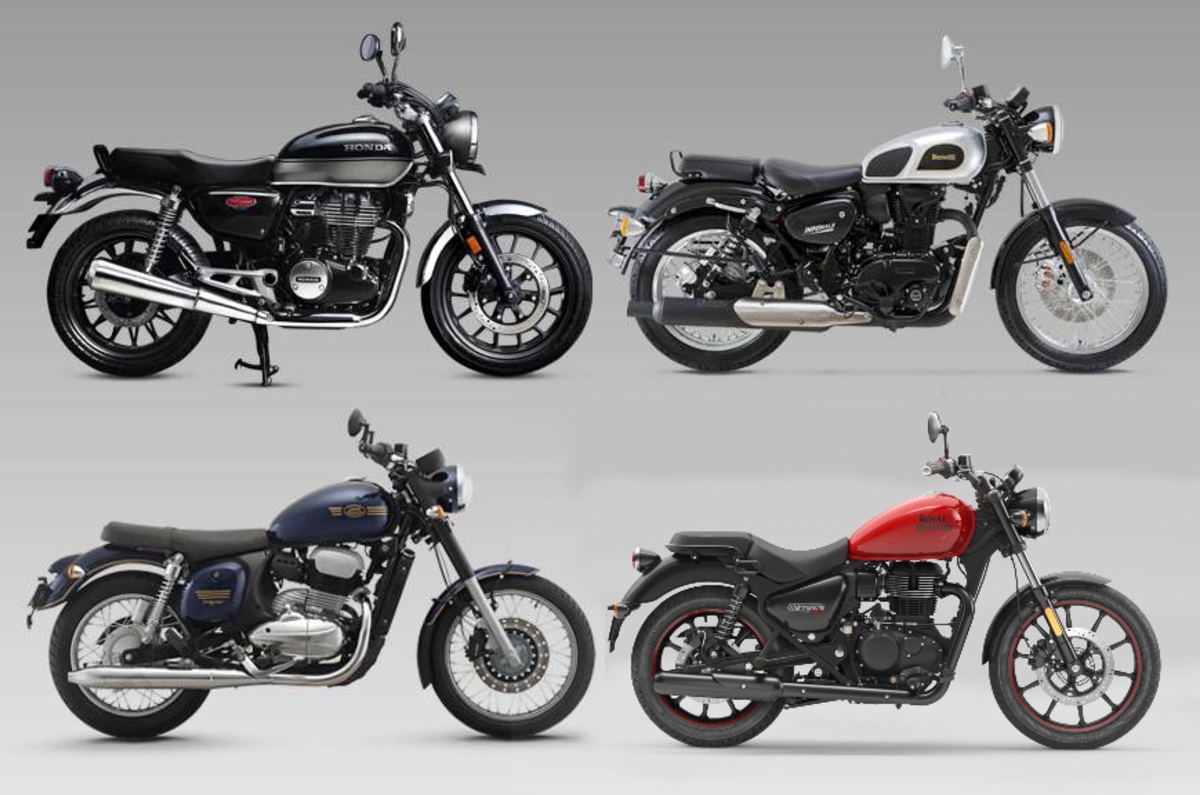
Royal Enfield Meteor 350 vs rivals: Specifications comparison

The Royal Enfield Meteor 350 was launched with a starting price of Rs 1.76 lakh. The Meteor 350 is the first offering to debut the company’s new 350cc platform.

  • The Meteor is available in three variants - Fireball, Stellar and Supernova

  • It continues to use a five-speed gearbox

  • The Jawa Forty Two is the only liquid-cooled bike in this comparison

It was not too long ago that Royal Enfield enjoyed a monopoly in India, but its popularity has piqued the interest of quite a few brands. The Indian-owned British brand now faces competition from Honda, Benelli and Jawa. To woo customers, new brands usually bring a little more to the table and this left RE slightly behind.

However, Royal Enfield hasn’t been sitting around, and it has just introduced the Meteor 350 - a Thunderbird replacement that also debuts the company’s new 350cc platform.

Royal Enfield Meteor 350 vs rivals: Engine

Powering the Meteor 350 is a newly developed, 349cc, single-cylinder engine that produces 20.2hp at 6,100rpm and 27Nm at 4,000rpm. While the engine continues to be air-cooled, Royal Enfield has incorporated an oil circuit in the 2-valve head to aid cooling. The engine has a balancer shaft to quell vibrations. The old pushrod-valve system is replaced by an SOHC, two-valve head. 

Honda’s CB350 also uses a new engine that has been specifically designed for India. This 348cc, air-cooled, single-cylinder engine develops 21.1hp at 5,500rpm and 30Nm at 3,000rpm. Interestingly, Honda has also equipped the CB350 with an assist and slipper clutch.

Royal Enfield Meteor 350 vs rivals: Powertrain
Royal Enfield Meteor 350 Honda H’ness CB350 Benelli Imperiale 400 Jawa Forty Two
Engine 349cc, single-cylinder, air-cooled 348.36cc, single-cylinder, air-cooled 374cc, single-cylinder, air-cooled 293cc, single-cylinder, liquid-cooled
Power 20.2hp at 6,100rpm 21.1hp at 5500rpm 21hp at 6000rpm 26.5hp
Torque 27Nm at 4,000rpm 30Nm at 3000rpm 29Nm at 3500rpm 27.05Nm
Power-to-weight ratio 105.75hp/tonne 116.57hp/tonne 102.43hp/tonne 154.06hp/tonne
Gearbox 5-speed 5-speed 5-speed 6-speed

In BS6 guise, Benelli’s contender makes 21hp at 6,000rpm and 29Nm at 3,500rpm from its 374cc single-cylinder, SOHC engine. Like the Meteor and the CB350, the Imperiale 400 is also air cooled and comes paired with a five-speed gearbox.

Jawa, on the other hand, has taken a slightly different approach. Despite having the smallest engine at 293cc, it makes the highest power figure at 27hp. Torque, meanwhile, is slightly lower than its rivals, at 27Nm. The Jawa manages this because it uses a short-stroke architecture and features more modern technology like a double-overhead camshaft and liquid cooling. Additionally, it’s also the only bike here that employs a 6-speed gearbox.

Royal Enfield Meteor 350 vs rivals: Chassis

It’s not only the engine that Royal Enfield has worked on; the company has also finally parted ways with its outdated, single-cradle frame, employing instead a double-downtube frame. It's also longer and wider than its predecessor. At the front, there's a conventional telescopic fork, while at the rear, there are twin shock absorbers.

The Honda, Benelli and Jawa also use double-downtube frames, with a conventional telescopic fork and twin shock absorbers handling suspension. 

Where some differences begin to appear are in the brakes and wheel sizes. The Meteor 350 uses a 19-inch front wheel and a smaller 17-inch wheel at the rear. The CB350 and Imperiale use a 19-inch front and 18-inch rear, while the Jawa employs an 18-inch front and 17-inch rear.

Royal Enfield Meteor 350 vs rivals: Underpinnings
Royal Enfield Meteor 350 Honda H’ness CB350 Benelli Imperiale 400 Jawa Forty Two
Weight (kerb) 191kg 181kg 205kg 172kg
Ground clearance 170mm 166mm 165mm NA
Wheelbase 1400mm 1441mm 1440mm 1369mm
Brakes (f) 300mm disc 310mm disc 300mm disc 280mm disc
Brakes (r) 270mm disc 240mm disc 240mm disc 153mm drum / 240mm disc
Suspension (f) Telescopic fork Telescopic fork Telescopic fork Telescopic fork
Suspension (r) Twin shock absorbers Twin shock absorbers Twin shock absorbers Twin shock absorbers
Tyres (f) 100/90-19 100/90-19 100/90-19 90/90-18
Tyres (r) 140/70-17 130/70-18 130/80-18 120/80-17
Fuel capacity 15 litres 15 litres 12 litres 14 litres

As for braking, anchorage at the front comes from a 300mm disc on the Royal Enfield and the Benelli. The Jawa has the smallest disc at 280mm, while the Honda features the largest unit at 310mm. At the rear, the Royal Enfield, Benelli and Honda employ a disc brake, while the Jawa can still be optioned with a 153mm drum brake. 

While the Meteor 350 is 6kg lighter than its predecessor, it’s still quite heavy, at 191kg. For comparison, the CB350 and Forty Two weigh 181kg and 172kg, respectively. The Imperiale 400, meanwhile, is the heaviest, at 205kg.

Royal Enfield Meteor 350 vs rivals: Features

Royal Enfield has finally stepped up its game when it comes to features. The company has incorporated a new semi-digital instrument cluster along with a separate pod for a colour TFT display. Royal Enfield calls it the 'Tripper screen ' and it displays turn-by-turn navigation via Google Maps data. This is done via the Royal Enfield app, after pairing one’s phone to the system using Bluetooth. The screen, however, does not display incoming messages or calls, as Royal Enfield believes that would distract the rider. The top-spec Supernova variant also comes equipped with a windscreen and backrest.

The Japanese motorcycle is no old timer either. It gets Honda Selectable Torque Control (HSTC) and Honda Smartphone Voice Control (HSVC) systems. The HSTC is a basic traction control system that detects the difference between front and rear wheel speeds, calculates the slip ratio and adjusts engine torque via the fuel injection. HSTC can be turned on or off using a switch on the left side of the meter. 

The HSVC feature (only available on the DLX Pro variant) has been developed in-house and allows the rider to pair his smartphone to the console via the HSVC app. Once connected, the rider can operate the system to access phone calls, navigation, music playback and incoming messages. Like the Royal Enfield, it has a digital fuel gauge.

On the other hand, the Benelli uses a twin-pod layout that features a large RPM gauge (it's the only one here to get a rev counter) and speedometer, along with a small digital display for the odometer; it also features a fuel gauge. The Jawa, on the other hand, uses a single-pod unit that displays the speed and fuel gauge. Its cluster also has a small digital screen for the odometer.

Royal Enfield Meteor 350 vs rivals: Verdict

The Meteor 350 is a big improvement over the Thunderbird, and it will really be appreciated by buyers who were already considering buying a Royal Enfield. It has a good number of features and the engine continues to have the older machine’s characteristics while becoming a touch more modern.

Royal Enfield Meteor 350 vs rivals: Price
Royal Enfield Meteor 350 Honda H’ness CB350 Benelli Imperiale 400 Jawa Forty Two
Price (ex-showroom) Rs 1.76-1.90 lakh Rs 1.85-1.90 lakh Rs 1.99-2.11 lakh Rs 1.65-1.74 lakh

With an ex-showroom Chennai price ranging from Rs 1.76 lakh to Rs 1.81 lakh, the Meteor 350 is priced quite competitively. While this specifications comparison can help making your decision, we’d recommend waiting till we bring you a proper comparison.

Let us know your pick in the comments section below.

Also see:

Royal Enfield Meteor 350 video review

Royal Enfield Meteor 350 review, test ride

Royal Enfield Meteor 350 launched at Rs 1.76 lakh


from Autocar India - Bikes https://ift.tt/2U1pBej

Thursday, November 5, 2020

Royal Enfield Meteor 350 launched at Rs 1.76 lakh

Royal Enfield has launched the new Meteor 350 in India at Rs 1.76 lakh (Fireball), Rs 1.81 lakh (Stellar) and Rs 1.90 lakh (Supernova). The Royal Enfield Meteor is based on a completely new platform.

  • 349cc, single-cylinder engine makes 20.2hp and 27Nm

  • Meteor 350 will be available in three variants- Fireball, Stellar and Supernova

  • Wide customisation options through the Royal Enfield Make it Yours programme

Royal Enfield Meteor 350 design and ergonomics 

The Royal Enfield Meteor 350 will replace the Thunderbird and Thunderbird X in our market. That said, the company has tried to give the new Meteor 350 a familiar look that ties it to the Thunderbird, particularly the Thunderbird X.

Some key design elements that stand out include the round headlight (with a circular LED DRL around it), chunky fuel tank and the curved fenders. The pod shaped tail light is another neat touch and overall, it is a well-proportioned design. 

Royal Enfield has incorporated a new semi-digital instrument cluster along with a separate pod for a colour TFT display. Royal Enfield calls it the 'Tripper screen ' and it displays turn-by-turn navigation, via Google maps data. This is done via the Royal Enfield app after pairing the phone to the system, using Bluetooth. The screen, however, does not display incoming messages or calls, as Royal Enfield believes it doesn't want to distract the rider.

Royal Enfield has made it clear from the outset that the Meteor 350 is built to cover long distances and the ergonomics reflect that. In typical cruiser fashion, the footpegs are forward set, the handlebar is pulled back slightly while the seat is wide and well cushioned. At 765mm, the seat height is quite accessible too.

Royal Enfield Meteor 350 engine 

The Royal Enfield Meteor 350 is powered by a newly developed, 349cc, fuel-injected, single-cylinder engine that produces 20.2hp at 6,100rpm and 27Nm at 4,000rpm. The engine is air-cooled and Royal Enfield has incorporated a oil circuit in the 2-valve head to aid cooling. The engine has a balancer shaft to quell vibrations to a large extent, says Royal Enfield. 

Royal Enfield Meteor 350 chassis

The motorcycle employs a new double-downtube cradle frame and Royal Enfield says that it is stiffer than the Thunderbird's frame.

At the front, there's a conventional 41mm telescopic fork with 130mm travel, while at the rear, there are twin shock absorbers with 6-step preload adjustment.

The Meteor's wheel base sits at 1,400mm, while the ground clearance is decent 170mm. But the most notable improvement is the Kerb weight that is 6kg lighter, at 191kg.

As far as brakes are concerned, the Meteor has a 300mm disc at the front and 270mm disc at the rear.

Meteor350
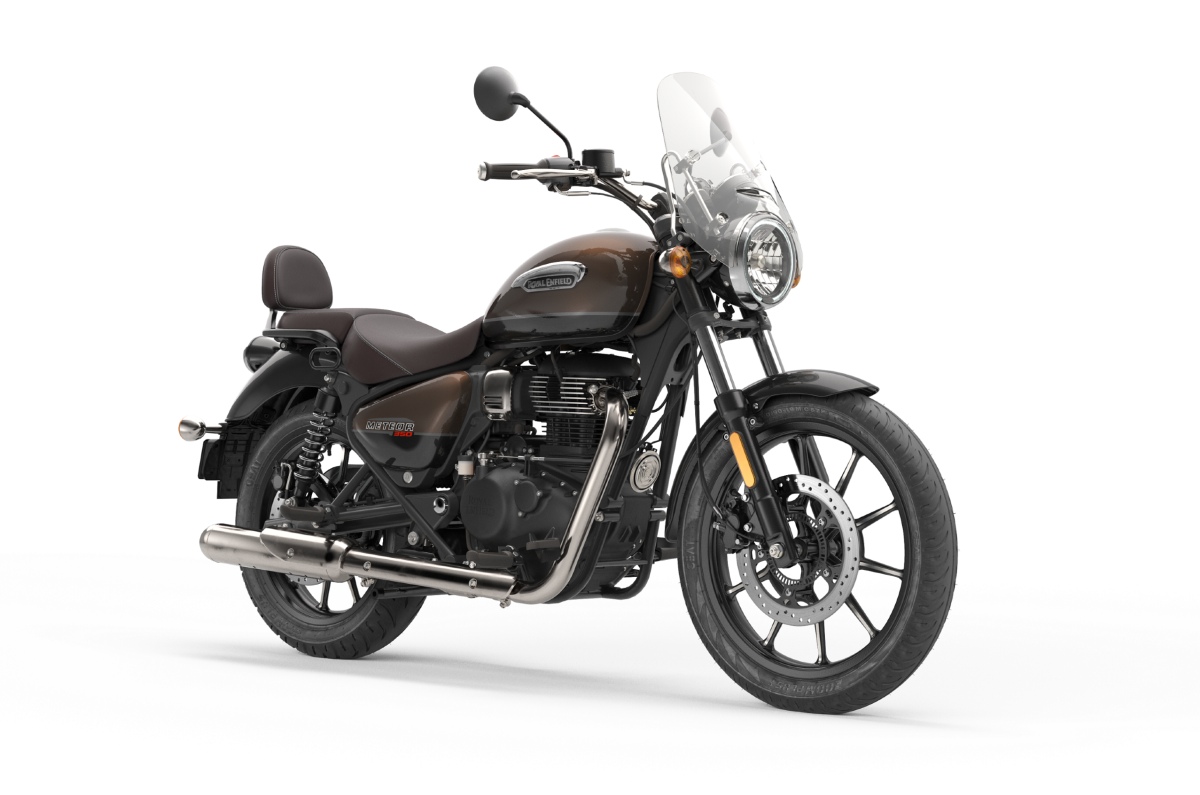
Royal Enfield Meteor 350 Fireball

Royal Enfield Meteor 350 variants and customisation 

The Meteor 350 will be available in three variants - Fireball, Stellar and Supernova. The top-spec Supernova variant includes dual-tone colours, windscreen, tan seats and a pillion backrest. 

If these variants don't float your boat, Royal Enfield is offering a chance to customise your Meteor 350 as per preference. The Royal Enfield Make it Yours programme allows customers to choose from a plethora customisation options. The list includes different road-legal exhausts, 8 engine-guard designs, 6 seats, multiple seat covers, 2 different windscreens, bar end mirrors, bigger forged footpegs and many colour options.

Royal Enfield Meteor 350 availability 

The Meteor 350 is available across all Royal Enfield showrooms in the country. Bookings have commenced.

All prices, ex-showroom Chennai.

Also see:

Royal Enfield twin-cylinder cruiser spied again

Next-gen Royal Enfield Classic 350: New spy pictures

Mystery new Royal Enfield spotted; Jawa Forty Two rival?


from Autocar India - Bikes https://ift.tt/3ka19SU

2021 Yamaha MT-07 unveiled

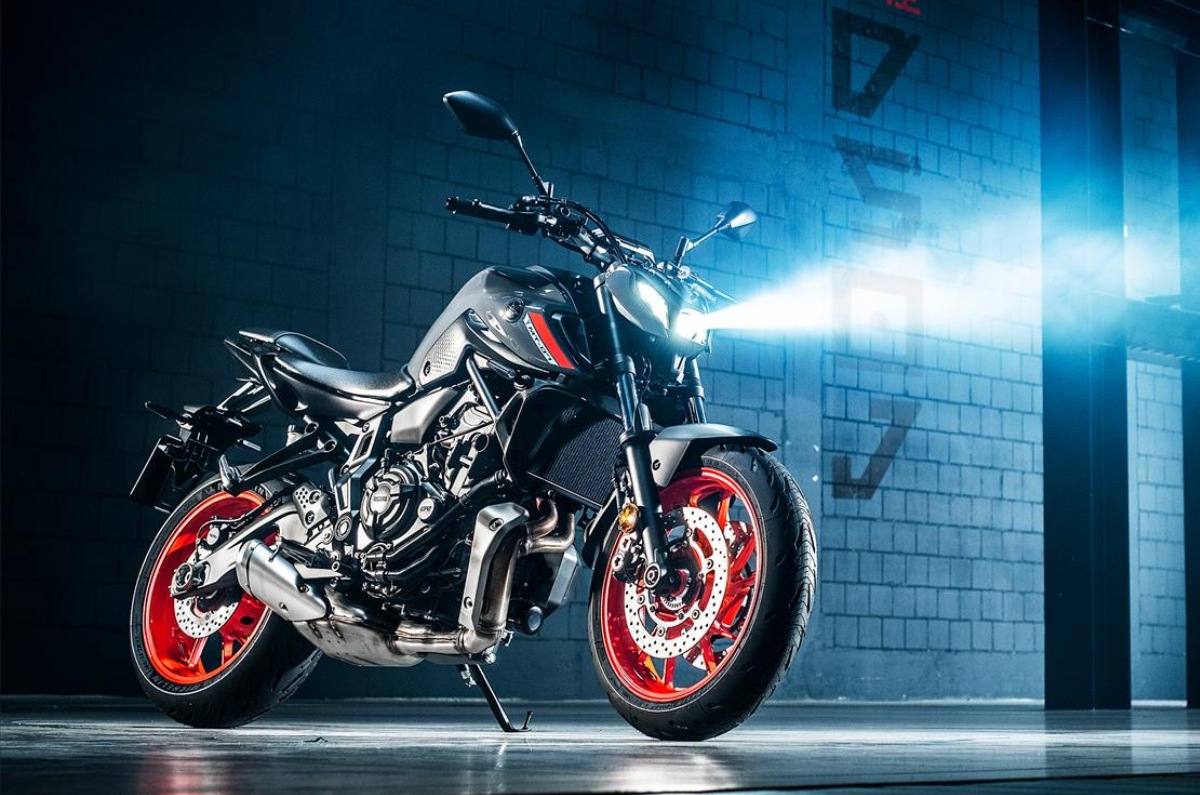
Yamaha’s popular parallel twin powered MT-07 gets  updates for 2021, including fresh style and a Euro 5 compliant motor.

  • New styling inspired by MT-09

  • Slight drop in power figures

  • Gets bigger brakes

Yamaha recently took the wraps off a heavily reworked MT-09, and this has been followed by an update for the smaller MT-07. Where the Yamaha MT-09 received far more upgrades, including a bigger motor, the changes to the MT-07 aren’t as extravagant.

Yamaha MT-07 stye

The most noticeable change comes in the styling where the MT-07 gets a similar, highly polarising face as its bigger brother. Behind the new LED headlamp, the fuel tank has been restyled, the mirrors are different and the radiator shrouds appear to have been tweaked as well. The bike gets new LED indicators and a new LCD instrument cluster. While the handlebar is now 15mm wider. Behind the fuel tank, things remain more or less the same in terms of the shape of the seats and the tail unit. 

Yamaha MT-07 Engine

The MT-07 sees very few changes made to its revered parallel twin engine apart from being able to meet Euro-5 emissions norms. The company has achieved this via a revised intake, a new exhaust design and a new ECU. Power has dropped slightly from 74.8hp at 9000rpm and 68Nm at 6500rpm to 73.4hp at 8750rpm and 67Nm at 6,500rpm. The performance drop is low enough that it probably won’t be noticed, but Yamaha says that this bike has a more linear power delivery, so the riding experience might feel slightly different.


Yamaha MT-07 Chassis

Not much has changed on the simple diamond chassis, but Yamaha has increased the size of the front brake rotors from 282Nm to 298Nm. The company has also moved to Michelin’s highly rated Pilot Road 5 tyres for this bike. The updated bike is slightly taller and wider than before, but the seat height remains accessible at 805mm. Meanwhile, the kerb weight has increased from 182 to 184kg. 

Yamaha MT-07 in India

The MT-07 has never been sold here, although the bigger Yamaha MT-09 was sold in India, albeit at an unreasonably high price. The MT-07 in India would have made a great fit (at the right price) because it would have gone up neatly against the Kawasaki Z650. As for prices, the MT-07 has always been priced closely against the Z650 in International markets and in the USA, the 2021 models cost just $100 more than the bike it replaces.

There is further incentive for a Yamaha MT-07 India launch because the all-new Triumph Trident 660, will launch in India in the first quarter of next year. The Trident has been designed specifically to compete with bikes like the Kawasaki Z650 and Yamaha MT-07 and it could be a hot seller for the British brand if it comes in at a good price.

Let us know if you’re keen to see Yamaha’s parallel twin bikes  like the MT-07 and acclaimed Tenere T7 go on sale in India next year


from Autocar India - Bikes https://ift.tt/2I9O0eW

Wednesday, November 4, 2020

Review: Raida Hydration Backpack Ultra review

A hydration bag has become an essential part of motorcycle gear. Staying hydrated on a motorcycle is important for maintaining concentration, especially on a hot day, and we all know how important that is on our roads. So, when it was time to upgrade from my trusty, but old Decathlon-sourced BTwin Hydration bag, I happened to discover a new hydration bag made by an Indian brand, Raida. 
 
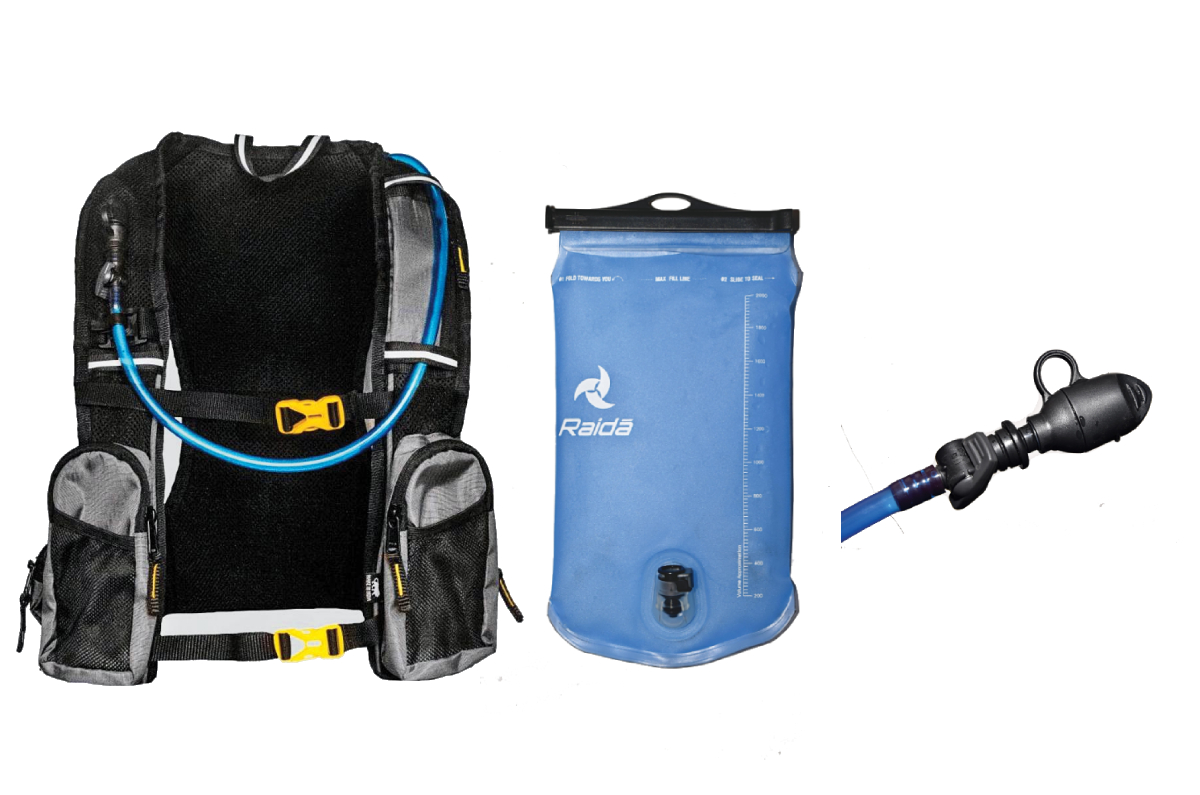
The Raida Ultra hydration bag has been designed and manufactured in India, with materials sourced from ‘certified Indian manufacturers’, according to the company website. Speaking of materials, the bag is made of polyester fabric, which is tough and durable enough to withstand the environment which motorcyclists usually find themselves in. I’ve subjected it to a wide spectrum of temperatures, from hot, dusty and humid days to pouring rain, and it has had no effect on the integrity of the bag so far. That said, this bag is mildly water resistant, but not waterproof. 
 
The rear of the bag has a generous mesh layer to allow wind to reach your back and the slim straps incorporate reflective patches. 
 
We see a similar toughness in the build of the 2.0-litre hydration bladder as well. It is certified BPA (bisphenol A) free and is SGS (Standard Global Services) and FDA certified. This ensures the water that’s stored in it is not contaminated by harmful chemical residues, which would have been the case if it were made of cheap plastic. A nifty feature on the bladder is a printed measuring scale that helps you check on the amount of water left in it. The other feature about the bladder that I found convenient is that the drink tube can be detached by the press of a button, which makes it easy to refill. The drink tube itself is long and flexible, with an on/off valve to control the flow of water and a cover for the bite valve, an essential feature that keeps dust and grime away. 
 
If I had to nit-pick about the bladder, the hard-plastic rail that slides over the fold to close the bladder could’ve been tethered to it for greater convenience. Also, a neoprene cover over the tube would help maintain water temperature when exposed to the sun. 
In terms of storage, the bag offers five litres of cargo capacity, with cleverly integrated pockets that 
 
 optimise the available space. There are two slit-type pockets on the outside of the main compartment that houses the bladder. The primary pocket is large enough to store a 6.7-inch phone and other knick-knacks. I’ve also managed to squeeze in a T-shirt that I change into once I’m in office. 
 
Then there are zippered pockets on the straps that go over your shoulder and fasten together around your chest. These are handy for carrying everyday essentials like a phone charger, wallet and ear plugs. While the amount of storage options is good, a shock-cord net arrangement over the main compartment could have improved the bag’s utility as it would have come in handy to hold things like a light raincoat. 
 
The bag’s slim form factor and dual sternum straps result in a snug fit, and at no point did I feel the bag’s weight. This despite carrying a full bladder and cargo. On the bike, this translates to unrestricted movement while the bag stayed in place. At no point have I felt a sore neck or shoulders, no matter the type of motorcycle or the riding position. I also like the way the drink tube can be anchored to a dedicated clasp on the shoulder strap so that it does not keep flapping around. 
 
Overall, I’m pleased with the product as it fulfils most of my needs and that too without having to spend an exorbitant amount of money. 
 
Where: www.Wroom.co.in 
 
Price: Rs 2,750


from Autocar India - Bikes https://ift.tt/3p8ualA

Tuesday, November 3, 2020

Review: Triumph Street Triple R review, test ride

Middleweight nakeds are special machines. In their latest forms, they can achieve quicker lap times than fullon superbikes from less than two decades ago. These motorcycles offer impressive, trickled down performance and equipment in a usable and accessible package. The Street Triple RS is the crème de la crème of this segment, but it’s not exactly affordable and it falls in a price bracket that might be too big a hurdle for many. This is where R comes in, replacing the comparatively modest S in India, while giving buyers a taste of the accomplished RS.

To find out if the Street Triple R delivers, Rishaad and I set out to a stretch of twisties not too far from the city. Despite my consistent prayers for the last five days, it began raining right as we rode out. That said, riding in the rain does have its own charm and we weren’t going to let it play spoilsport.

ST-R

ONLY THE START

Like almost every early morning ride out of the city, we had to deal with some quick-moving traffic. Oh, I almost forgot to mention: Rishaad was not riding pillion. He was on his own, almost equally matched, ‘orange’ motorcycle. The first thing you’ll observe about the R is that the ergonomics are quite aggressive for a naked, and it’ll take you a few minutes to get used to how high your feet sit. Something else you’ll quickly notice is that the seat is narrow near the fuel tank, and while it is quite soft, it also slopes upwards at the back and you constantly have to readjust yourself. 

As we began riding out through heavy traffic, there were those typical Triumph Triple moments where I found the revs were getting a little too low at crawling speeds and found myself having to slip the clutch more than I would’ve liked. Like every other Street Triple though, the R continues to be welcoming and it feels light on the move and unintimidating. The bike doesn’t shoot ahead at low revs and the bi-directional quickshifter works as expected. Rishaad is riding like a man on a mission on his motorcycle, but the Street Triple is so friendly and predictable at urban speeds that it didn’t take me much time to match his pace in traffic, despite not having ridden a big bike for well over six months. The inline three-cylinder engine also hums along at these speeds and vibrations are well isolated.

HIGHWAY TO HEAVEN

As the roads began opening up, I finally got the opportunity to open the throttle. The R makes the same torque figure as the RS, and at 118hp, it’s down by just 5hp. Its engine runs a slightly lower compression ratio and Triumph also says that it uses a different crank shaft. The power difference was hard to spot really, especially on our limiting roads. 

What also remains the same is that it’s missing that low-end urgency you’d want from a bike in this segment, something that was clear after riding the rampant 790 Duke. Don’t get me wrong, the bike is pretty quick, but it feels quite mellow below 6,000rpm. However, I quickly realised that things are far more exciting when you keep the bike in the hotspot of its powerband.

ST-R
Simple, but informative digi-analogue instrumentation.

It’s at this point that you also get the best soundtrack, where the engine hum gets a bit louder, but the mean intake howl overpowers it. Despite having one of the lightest kerb weights and shortest wheelbases in the segment, the Street Triple R feels exceptionally stable on the highway. The fully adjustable Showa Separate Function Big Piston fork and monoshock did feel firmer than the old Street Triple S, and more like the suspension you’ll find on the RS. But the bike could still deal with poor roads quite well, and with 160mm of ground clearance, it could take on speed breakers admirably too.

NIRVANA

Speaking of the suspension, this is also one of the best setups at its price point, from a sportriding point of view. While it is firm, the adjustability will give the rider the ability to fine tune it to their weight and liking. What also really helps with handling are the Pirelli Diablo Rosso 3s. These all weather sport tyres do a good job on our roads in terms of grip and feedback. They also proved to be really good at putting the power down on wet roads.

When we were riding on a twisty stretch, I realised something that I found quite special about This Triumph. For the first time on a big bike, I found myself focusing on my riding and not controlling the motorcycle. The only other big bikes I’ve ridden on a twisty section have been from two ultra-premium Italian brands, and controlling those  beasts took all of my attention. Whereas the poised and predictable Triumph gave me the confidence to experiment with my lines, inputs and riding position.

ST-R-seat
The sloping seat will require you to hold yourself in place.

The linear powerband, near flat torque curve and dynamic chassis are the biggest contributing factors to the R’s easy-to-hoon nature. While I enjoyed it, more experienced riders, such as my boss, find it, for lack of a better description, ‘a bit too well behaved’ and that you have to ride it very fast to properly enjoy it. He went so far as to say it almost feels Japanese in the clinical and super-refined way it delivers its performance. To be honest, I do see where he’s coming from,  especially after having ridden his twin-cylinder hooligan. 

That being said, the Triumph would wipe that demented smirk off his KTM’s face on a racetrack. Riding side by side, it was clear that the Triumph accelerates harder and that its suspension and brakes are more sophisticated. Speaking of the Brembo M4.32 monobloc calipers, they aren’t as mighty as the M50s on the RS, but they do offer a wonderfully powerful, immediate and sensitive feel – you really don’t need any more on the road. As for the four riding modes, there really isn’t a huge difference to be felt between them. Road and Sport were the ones I found myself using the most, because the traction control was quite intrusive in Rain mode, as it should be. This is actually the one area where Triumphs lag behind the European competition and their electronic rider assists are relatively quite simple and crude in the way they function.

VISUAL DILEMMA

The Street Triple’s design has become iconic. Ever since its introduction, it used minimal bodywork and the twin-headlight setup similar to the Speed Triple. Over the years, the headlights went from being round to what has become an almost triangular shape. As for the bodywork, it’s still quite scanty, but a lot more aggressive. 

What comes as quite a surprise is how similar the bike looks to the flagship RS variant. It use identical bodywork, wheels and lighting. The R is also available in the matte grey colour scheme that looks almost identical to the one on the RS, with the only difference being the additional red panel and silver decals. Similarly, the second colour option for both bikes is black as well, albeit in a gloss finish with red decals on the R. 

ST-R-mirror
Swanky mirrors tie in nicely with the bike’s design.

In typical Triumph fashion, the bike is put together really well: there are no abnormal panel gaps, the welding beads on the frame are near perfect and there are no exposed wires. The new rear-view mirrors, meanwhile, look like works of art. Overall, the design still works, but it’s starting to look a little old-school. What we don’t like is how it’s only available in two dull colours. 

The most obvious visual differences between the R and the RS are the lack of a belly pan and the digi-analogue gauge in place of the fully-digital display. The former is something the bike could have done with, but the latter isn’t that bad. The digi-analogue gauge shows you all you need to know, including the riding modes, traction control and ABS settings. This also might be one of the last few sport-nakeds with a pure analogue RPM gauge, and it’s something I am going to miss. 

IS IT THE ONE?

Triumph has to be given credit for the Street Triple R’s price tag of Rs 8.84 lakh. The mouth-watering price tag makes it Rs 2.5 lakh cheaper than the top-spec RS. That makes it significantly more attainable and it feels like a huge improvement over the old S, and not too far from the RS. As for current competition, it’s more expensive than the new BS6 Z900, but costs significantly less than the BMW F 900 R. For what you get, the Street Triple R’s pricing is very tempting, and this sport-naked is for you if you want something that’s refined and versatile, yet incredibly quick when you want it.


from Autocar India - Bikes https://ift.tt/34UtOXD

Monday, November 2, 2020

Motorcycle sales rise to record highs in the month of October

The festive season seems to have brought much needed cheer for Hero MotoCorp, Bajaj Auto and Ducati India. These companies posted record sales for the month of October 2020.

  • Hero sells over 8 lakh units in October 
  • Pulsar range contributes to 63 percent of total sales for Bajaj
  • Ducati registers best third quarter global sales

Hero MotoCorp best sales ever

Hero MotoCorp, the world’s largest two-wheeler manufacturer, has reported sales and dispatch of 806,848 units of motorcycles and scooters in October 2020 – its highest ever sales in any single month. Clearly, the festive season in the country is paying dividends.

While this number works out to 26,027 units sold every single day in October, more importantly, they constitute a robust double-digit growth of 35 percent over October 2019, when the company had sold 599,248 units.

Hero MotoCorp attributes the October 2020 sales to "a positive turnaround in customer sentiments, particularly for motorcycles across markets, continued government policy support and a credible resumption of the supply chain, logistics and business operations during the auspicious festive period."

With higher dispatches during the month, the company’s customer touch-points across the country, now have adequate inventories in line with market demand owing to  the ongoing festive period.

Hero is also on a roll with its plans for India. The company closed October with the big announcement of a tie-up with Harley-Davidson, which was one of the big talking points of last month. 

Bajaj Auto witnesses best ever sales for the Pulsar range

Pune-based Bajaj Auto has reported strong sales in October 2020. The company registered total motorcycle sales of 268,631 units, which constitutes 11 percent year-on-year growth (October 2019: 242,516 units). Of this, the sporty nine-model Pulsar family – Pulsar 125, Pulsar 150, 150 Neon, 150 Twin Disc, Pulsar 180F, Pulsar 220, NS160, NS200, and RS200 – contributed over 170,000 units or 63 percent of total sales. 

Interestingly, October 2020’s Pulsar numbers are the best-ever monthly sales for Bajaj Auto.

Also, in a bid to rev up festive season sales, October end saw Bajaj Auto launch a new version of its commuter motorcycle, the CT100 priced at Rs 46,432 (ex-showroom Delhi). This makes it the most affordable entry level motorcycle in the country.  

Ducati registers record third quarter global sales 

Despite the complex global situation, Ducati, with 14,694 motorcycles sold, has recorded its best third quarter (July-September 2020) ever. In fact, September confirmed the recovery trend that began in June, with 4,468 motorcycles delivered to customers.

With the tailwind of the positive market trend since June, Ducati says it has started to recover the decline in performance recorded in the first months of the year, partially filling the sales gap compared to the previous year caused by the slowdowns that are affecting the whole world.

The Panigale, Scrambler and Multistrada model families were the best-performing in the first nine months of the year. China, Switzerland and Germany were the best-performing markets. 

"Although 2020 is a stormy year, the third quarter recorded the most positive performance ever," said Claudio Domenicali, CEO of Ducati. "Now the situation is worsening again, unfortunately just when we are about to present to the world the new models for 2021, on which we have worked continuously despite the difficulties introduced by the pandemic. Once again, we are forced to redefine working methods and processes in order to maintain a high level of attention to the safety of our employees, suppliers and operators. Digital presentations, use of smart working and video meetings, access into the company only when strictly necessary. All with the aim of serving Ducatis all over the world in the safest possible way."

Ducati currently has a global sales network of about 730 dealers and service points in almost 90 countries, including India.

The company has just launched the Multistrada 950 S in India at Rs 15.49 lakh (ex-showroom)


from Autocar India - Bikes https://ift.tt/3oYYlvx

Sunday, November 1, 2020

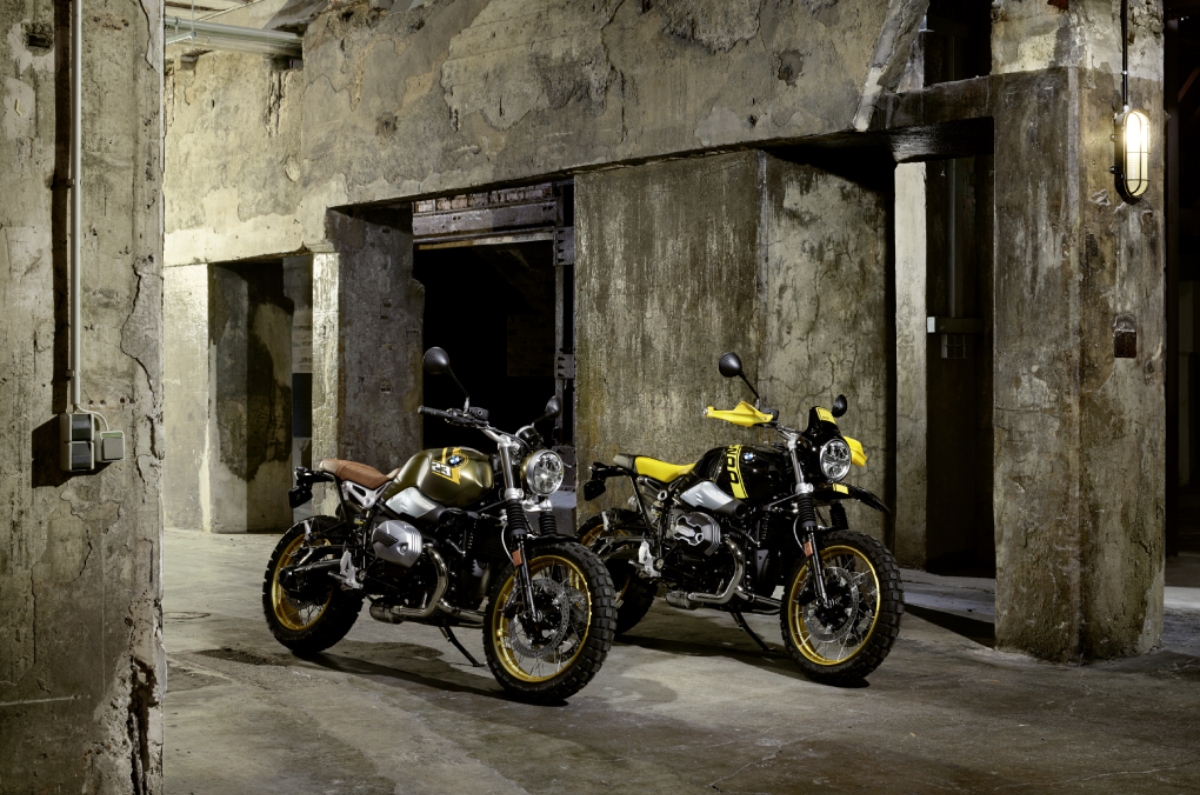
2021 BMW R Nine T range revealed

The 2021 BMW R Nine T range has been revealed, and it consists of four Euro 5 (BS6) compliant models – Standard, Pure, Scrambler and Urban G/S.

  • ABS with Dynamic Brake Control is standard 

  • Engine offers stronger midrange grunt 

  • Gets new shock absorber at the rear with travel-dependent damping or WAD

What's new about the BMW R Nine T range?

Well, for starters, the 1,170cc boxer engine has been updated to meet the Euro 5 (BS6) emission norms. To achieve this, the company has made a few upgrades to the air- and oil-cooled engine and it now gets a new cylinder head with a new turbulence system that swirls the mixture to ensure cleaner combustion. The result of meeting new emission norms is a 1hp drop in peak power, with the engine producing 109hp at 7,250rpm and 116Nm of torque at 6,000rpm. BMW adds that the motor has been tuned to offer a strong midrange, especially between 4,000 and 6,000rpm.

Besides the new internals, the engine also gets new cylinder head covers that look aesthetically attractive.

BMW R Nine T design and chassis

The BMW R Nine T sports a typical neo-retro design, with its round headlamp, large fuel tank and slim tail section. BMW has also added a new semi-digital instrument cluster on all R Nine T models. 

There are 16 colour options to choose from, but the one that stands out is Urban G/S, with its white base paint, characteristic BMW stripes and gold-coloured wheels. If that doesn't float your boat, the R Nine T in the special '40 Years GS' paintwork, which commemorates the R 100 GS, is another attractive colour but available in limited numbers only.

The exposed tubular steel frame on all BMW R Nine T models adds to the appeal. While the Standard variant gets an 46mm USD front fork, the Pure, Scrambler and Urban G/S models make do with a conventional, 43mm telescopic fork. At the rear, all models are equipped with a new shock absorber with travel-dependent damping or WAD. The spring preload on the rear shock can be adjusted by using a remote adjuster

The suspension on the Scrambler and Urban G/S models have extra travel (125mm front/ 140mm rear), in keeping with the application, and have a 19-inch front and 17-inch rear wheel setup.

BMW R Nine T features and equipment

The list of electronics on the BMW R Nine T includes Dynamic Brake Control, cornering ABS, traction control and two ride modes – Rain and Road – as standard. You'll have to shell out more money to get engine drag torque control (MSR) and an additional riding mode. The extra riding mode in the Standard and Pure models is called Dyna, while the Scrambler and Urban G/ S get a special Dirt mode. Each mode optimises throttle response, traction control, and ABS settings. 

In addition, customers can also choose to equip their R Nine Ts with the 'Comfort Package', which includes ride modes (Dyna and Dirt), cruise control and heated grips.

BMW is also offering the 'Option 719' milled package, consisting of exclusive, high-quality parts to enhance the looks of the R Nine T and offer a broad range of customisation. 

2021 BMW R Nine T range price and availability

The BMW R Nine T will go on sale in international markets shortly, and we expect the motorcycle to hit our shores next year. The BS4 BMW R Nine T was priced around the Rs 17 lakh (ex-showroom, Mumbai) mark. Expect the new BMW R Nine T to demand a slight premium.


from Autocar India - Bikes https://ift.tt/2TGtJjX

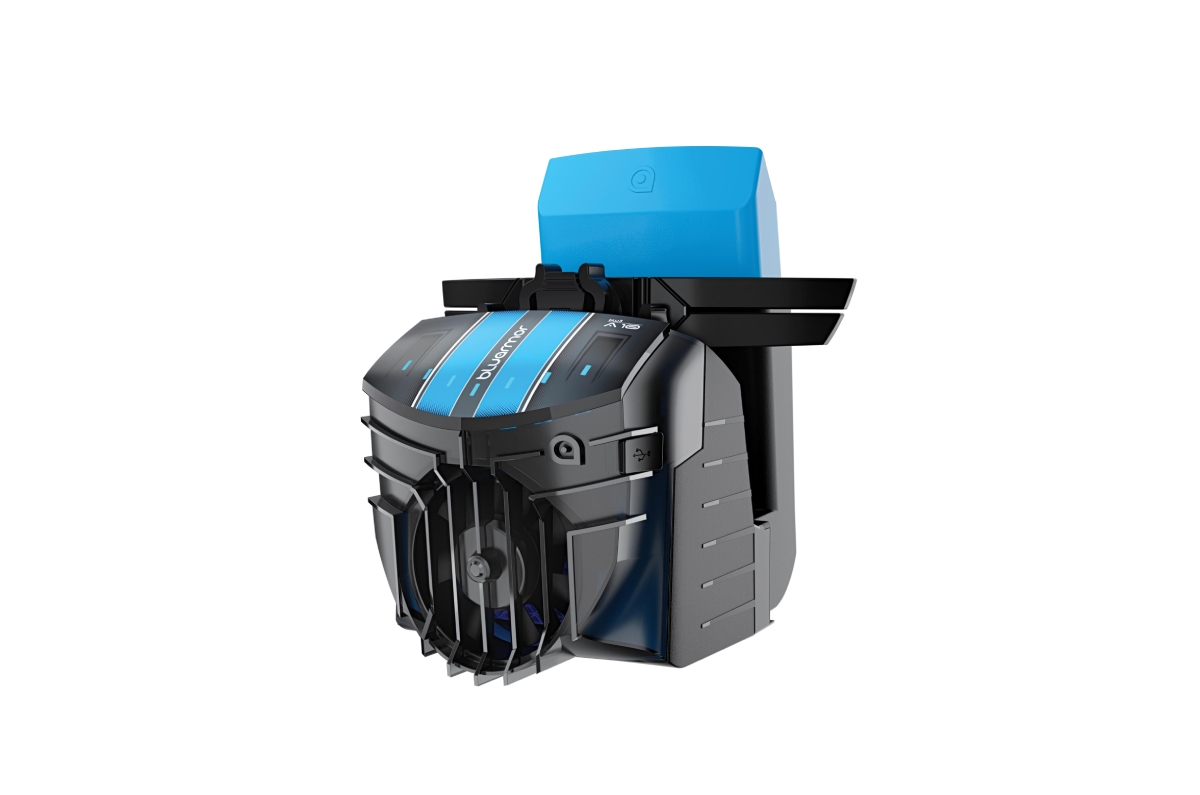
Review: BluArmor BLU3 A10 helmet cooler review

A few months back, we reviewed BluArmor’s Bluetooth enabled Blu3 E20 helmet cooler that you can read all about on our website. The A10 seen here is the simpler version of the same device and it doesn’t have any of the fancy Bluetooth telephony features. 
 
This device connects to the front of your helmet via a provided sticky mount and it has a soft rubber funnel the extends behind the helmet’s jaw to direct the cool air to your face. The air gets pulled in via a fan at the front of the device and passes through a cartridge that you need to wet before each ride to create the evaporative cooling effect. The device we have here also comes with the company’s new Blu-o2 air filter, which is similar to the cabin air filter in a car and claims to filter out particles as small as 5 microns, no, there are no claims of its ability against SARS-CoV-2. 
 
The device has three fan modes, against just the one in its predecessor, the BluSnap 2. Regular mode is nearly as strong as the one in BluSnap 2, Turbo is 1.5x stronger and Beast is 2x stronger. The A10 is a little bigger and heavier than the device it replaces thanks to the larger fan and cartridge it packs, but at 298gm, its not much of a load either.  
 
The device is easily operated by pressing down on its top panel. A double press turns it on while a single press cycles between the modes. Strangely, once you pass Beast mode it doesn’t go back to Regular mode, but it powers off instead. Its easy to use, but can be unintentionally started quite easily. 
 
The battery lasts for 11 hours, six hours and nearly three hours in Regular, Turbo and Beast mode, respectively. Charging via micro USB takes about 4 hours and the battery life should be enough for most commutes. On the road, we found Turbo to be the mode of choice and that while Beast mode was definitely more effective, it was also much louder. How long the cartridge will stay wet depends on which mode you’re using. Opting for the Blu-o2 filter will give you cleaner air, but restrict airflow by about 25 percent. 
 
This is an unusual device, but it’s effective and worth a look if you find the heat unbearable on your commute. 
 
Where: www.thebluarmor.com 
 
Price: A10 Rs 2,299 
 
Blu-O2 filter: Rs 399 for a pack of two


from Autocar India - Bikes https://ift.tt/3kPUFJI

Saturday, October 31, 2020

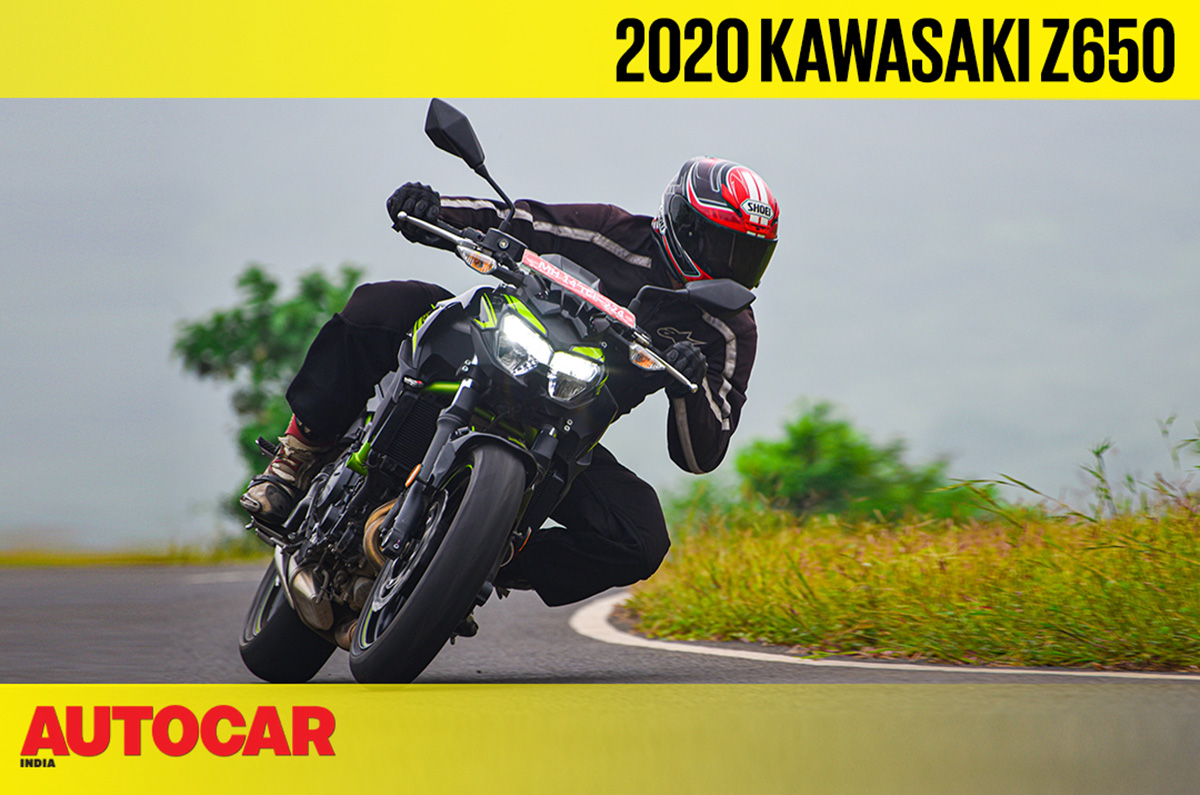
Review: 2020 Kawasaki Z650 video review

Also see:

2020 Kawasaki W800 video review

Kawasaki W175 to launch in India in 2021

BS6 Kawasaki Z900 launched at Rs 7.99 lakh

2020 Kawasaki Ninja 650 video review


from Autocar India - Bikes https://ift.tt/31Z1OA0

2021 Honda CB1000R unveil on November 10

Honda has released a teaser for the upcoming Honda CB1000R, with a full unveil set to happen on November 10.

  • 2021 Honda CB1000R unveil on November 10

  • Gets minor tweaks to design

  • Will likely be Euro5/BS6 compliant

2021 Honda CB1000R design

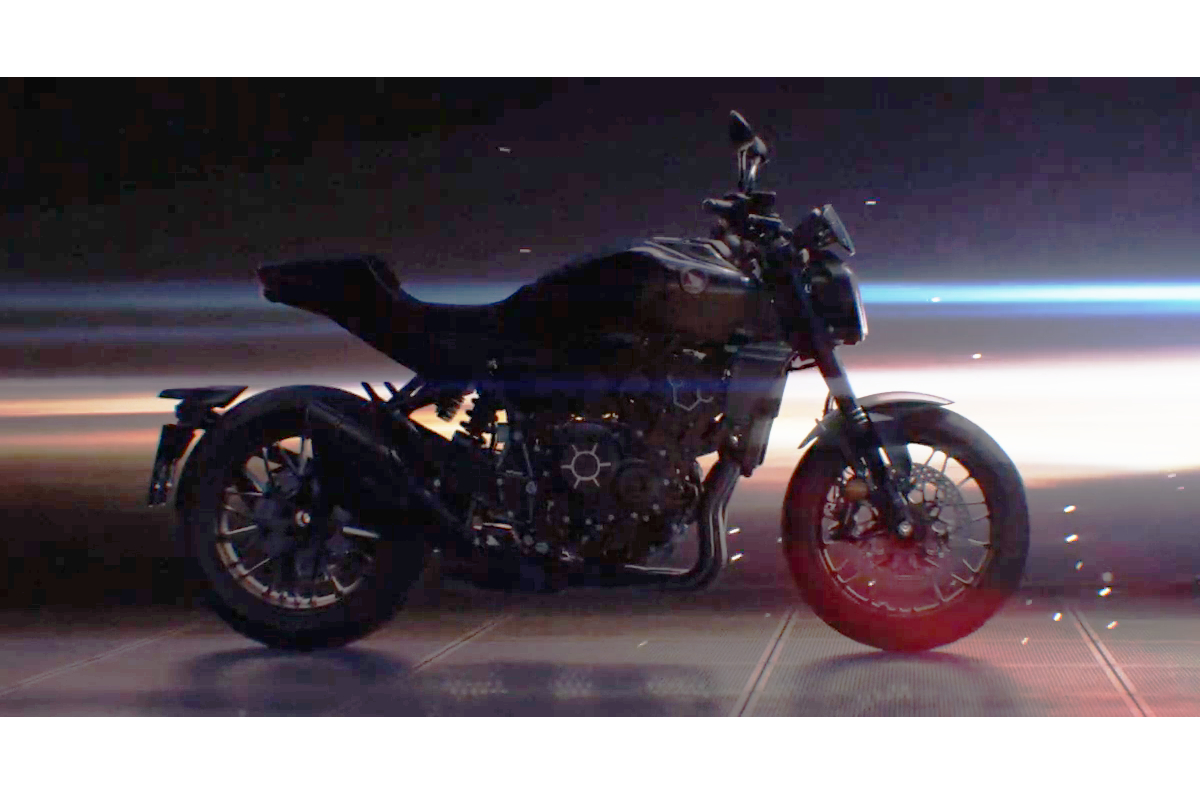
Although it isn’t very bright, the teaser reveals the headlight and side profile of the CB1000R. Changes include tweaks to the headlight – it retains its overall design but appears to be at a more aggressive angle than the flat-looking unit on the outgoing model. Additionally, the Honda branding that split the LED circle now looks smaller.

From the side, we can see that the headlight is now crowned by what appears to be a short windscreen. The fork clamps are now black instead of silver and Honda has also reworked the shape of the panels around the radiator and fuel tank.  

A brief but silhouetted shot of the full bike reveals a more sculpted rider seat and a W-spoke design in place of the Y-spoke alloy wheels on the current model. 

2021 Honda CB1000R engine

The teaser doesn’t reveal any details on the engine, but it’s likely the 2021 Honda CB1000R will be powered by the same 998cc inline-four cylinder engine that currently makes 145.48hp at 10,500rpm and 104Nm or torque at 8,250rpm. It’s expected to be updated to comply with Euro 5 (BS6) emission norms and this may result in a change in peak output figures.

2021 Honda CB1000R India price and launch

The Honda CB1000R was one of the big bikes that was retailed by Honda’s BigWing chain, at a price of Rs 14.46 lakh. Honda has plans to expand its big bike portfolio in India and the updated CB1000R will likely be one of the motorcycles to make its way here.

Also see:

2021 Honda Forza 750 revealed

Honda H'ness CB350: First look

2021 Honda CBR650R revealed


from Autocar India - Bikes https://ift.tt/37YtIQx

Friday, October 30, 2020

Triumph Trident 660 platform may spawn two new motorcycles

Triumph Motorcycles could possibly be working on developing more motorcycles on its new 660cc platform, that currently underpins the new Triumph Trident.

  • New Trident is likely to share its engine and motor with two new 660cc motorcycles

  • Triumph is aiming for the middleweight Adventure motorcycle and Adventure Sport motorcycle segment

  • First motorcycle on the platform, the Trident goes on sale in India, in 2021

Triumph Trident platform siblings 

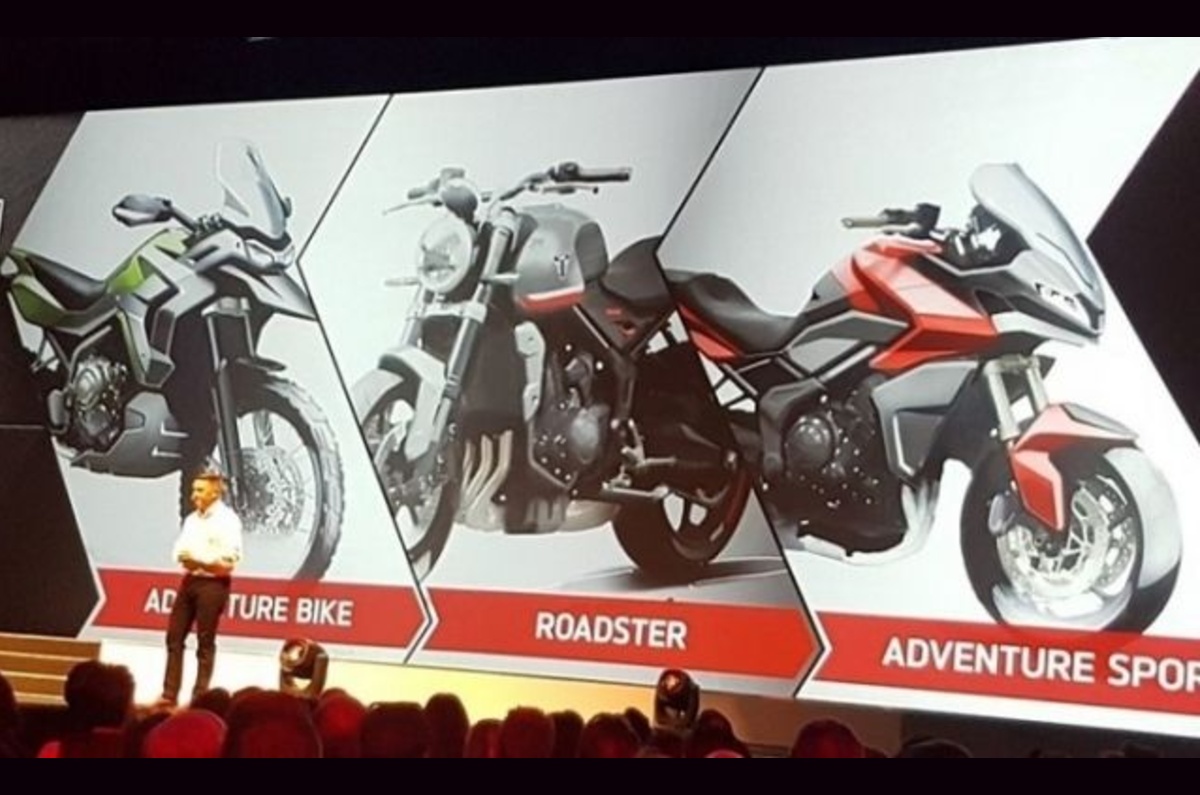
Triumph recently introduced the new Trident, it's a 660cc roadster and it will go on sale in India, in 2021. That very platform, however, could also spawn other motorcycles, judging by a clip of the presentation that was shown to a few international dealers during a recent summit.

Look closely and you'll notice that the image of the Triumph Trident is flanked by an Adventure Motorcycle and an Adventure Sport motorcycle on either side, likely to be powered by the Trident's inline-triple engine. That said, Triumph is expected to optimise the engine's state of tune and gearing to suit the applications of each of these motorcycles.

Under the distinctive bodywork on these motorcycles, the main frame appears to be the same, once again, hinting these are based on the same platform. We shall confirm this once Triumph reveals these motorcycles in production form.

Triumph Trident Styling

Although the motorcycles may be based on the same platform, the styling is markedly distinct and in keeping with the purpose of the motorcycles.

The Trident is the quintessential roadster, that's built to take on the cut and thrust of the city. The yet unnamed Adventure motorcycle, looks the part with its Triumph Tiger 900 inspired design. Also, notice the large wire spoke wheels, the beak, long travel suspension and the bash plate on the bike in the sketches. Typical Adventure motorcycle stuff!

In the middle of this range, lies the Adventure Sport motorcycle that should offer the performance and practicality of a street motorcycle (Trident in this case), while offering comfier ergonomics, a fairing as well as a windscreen to keep the wind off your chest, possibly more features and a provision to mount luggage. 

Triumph Trident future plans

Triumph seems to be betting big with its new 660cc platform, going by these images. The new motorcycles should give Triumph the ability to compete in a burgeoning middle-weight motorcycle market.  

We've already seen Kawasaki leverage the benefits of platform sharing with its wide 650cc platform. The Japanese manufacturer has built the Z650, Ninja 650, Versys 650 and the Vulcan 650 on the same platform. And all of these motorcycles are currently on sale in India.

With such clear benefits, Triumph is expected to expand its 660cc, middleweight platform soon. While the Trident goes up against the Kawasaki Z650 and Yamaha MT-07, the 660cc Adventure Sport should lock horns with the Kawasaki Versys 650. The Triumph adventure motorcycle, on the other hand, should compete with the likes of the Suzuki V-Strom 650.

Also see:

Triumph Tiger 900 launched from Rs 13.7 lakh

Triumph Street Triple R launched in India at Rs 8.84 lakh

IMAGE SOURCE


from Autocar India - Bikes https://ift.tt/34IQIRB

TVS reports profit of Rs 196 crore for Q2 FY2021

Chennai-based two- and three-wheeler maker, TVS Motor Company has reported its financial result for Q2 FY2020. For the quarter, the company reported revenue of Rs 4,617 crore (+6 percent) as against Rs 4,353 crore for the same period a year ago. The profit after tax (PAT) came at Rs 196 crore, which is lower by 23 percent YoY.

The company says, despite the COVID-19 challenges, it strengthened its supply chain during the second quarter of 2020-2021. The production and sales improved consistently from July 2020 onwards. In July, the company sold 2.44 lakh two-wheelers, which improved to 2.77 lakh units in the month of August, and in September sales went up further to 3.13 lakh units. During the quarter, the total two-wheeler sales was 8.34 lakh units, which is almost in line with last year's sales of 8.42 lakh units.

The Q2 sales include 3.66 lakh motorcycles (Q2 FY2020: 3.42 lakh motorcycles) and 2.70 lakh scooters (Q2 FY2020: 3.33 lakh scooters).

In terms of three-wheelers, the company sold around 33,000 units in the quarter ended September 2020, as against sales of around 43,000 units in the quarter ended September 2019.

Also see:

TVS Apache crosses the 4 million mark

TVS Ntorq 125 SuperSquad Edition launched at Rs 83,327


from Autocar India - Bikes https://ift.tt/2HKtBgs

Thursday, October 29, 2020

Review: Hero Xpulse 200 long term review, first report

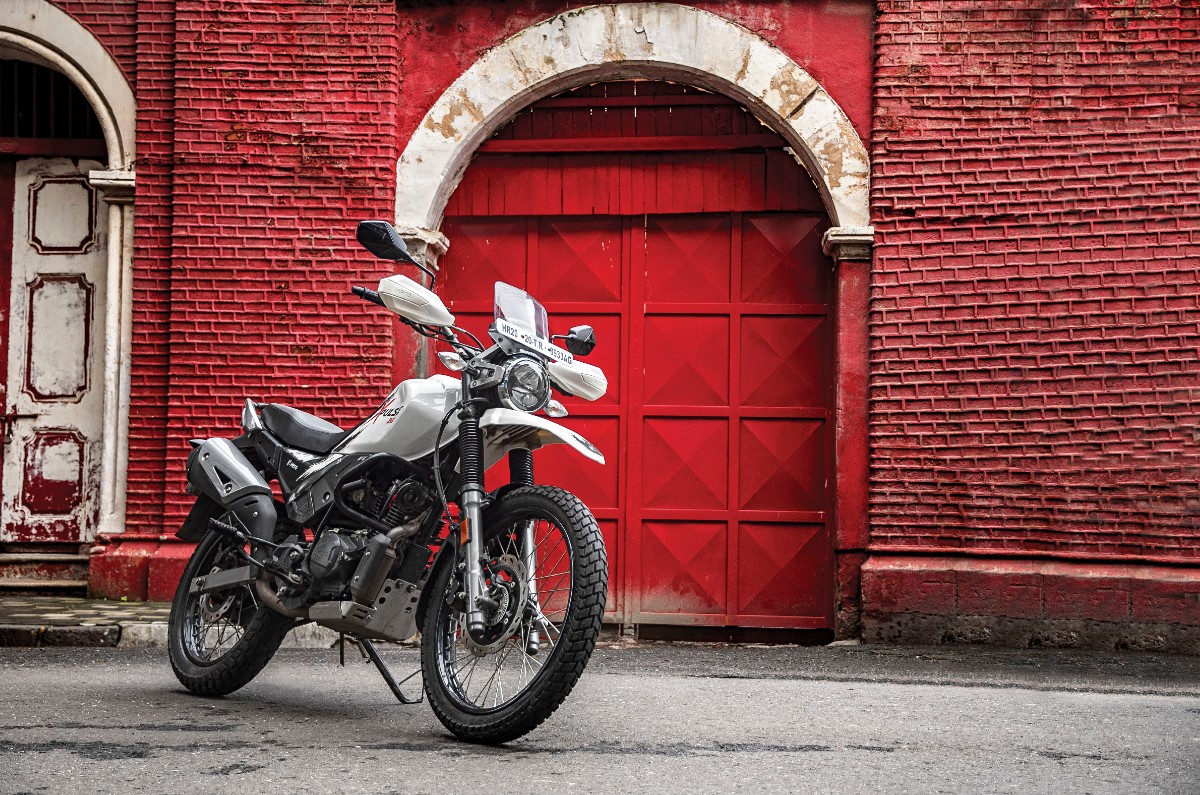
Our regular readers will recall that the Autocar Xpulse 200 long-term test bike (last seen in December 2019) was green and had a different number plate. That particular bike was one among the pre-production units that were used for the press ride event in May 2019. We ran it for a while, but after a few visits to the workshop for multiple small niggles, it was decided that the best course of action would be to get an actual production-spec unit for our long-term review. This was around early 2020, and with the promise of an improved BS6 iteration on the horizon, we decided to wait for a BS6 model to begin our long-term test with. The white motorcycle you’re looking at here is our new long-termer, and this time around, it’s a proper production-spec unit.

Hero-XPulse-brake
ABS engagement is better managed over bumpy sections.

More than impressed, I’m relieved with the improvements that have come with the BS6 model. The engines on all the previous XPulses we’ve ridden (all pre-production, mind you) felt stressed when run hard, and, in a couple of cases, even started making an unhappy sound from the valvetrain after extensive hard usage. For a bike with just 18.4hp and 154kg to move around, high revs were going to be a constant state of being for this machine. Thankfully, the BS6 update makes big improvements here.

Hero-Xpulse-oil
Now oil-cooled, the engine feels smoother and less stressed.

The most apparent change is the inclusion of an oil cooler. The engine now sounds and feels smoother when revved out. The fact that the power has reduced by 0.6hp and weight has gone up by 3kg is of no real consequence either, because our test figures show that the real-world performance is about the same as before.

The new bike has only been with us for a few days, and so far, it’s proven to be a very nice commuter. Aside from the wide handlebar, the bike slots through traffic just as well as any sporty 160cc commuter and its ride quality is something those bikes couldn’t dream of matching. We haven’t had enough time with it to test the real-world fuel efficiency so far, but it seems to be consuming fuel at a pleasingly slow rate.

Hero-Xpulse-switch
The pass light switch still occasionally sticks on.

Some things haven’t changed from the old Xpulse and the switchgear still occasionally sticks, while the rubber pads on the small luggage rack are already lifting. Quality appears to be on the same level as before, but given the intended usage of this motorcycle, it’s something I don’t mind living with.

Of course, we have much more planned and, in addition to messing about off-road on the weekend, we’re also planning to take it out on a multi-day trip as soon as the situation allows for it. Eventually, we’re hoping to get the rally kit on this bike too and that will really boost its abilities.

Also see:

Yamaha MT-15 long term review, second report

KTM 790 Duke long term review, second report


from Autocar India - Bikes https://ift.tt/3jFLbj3